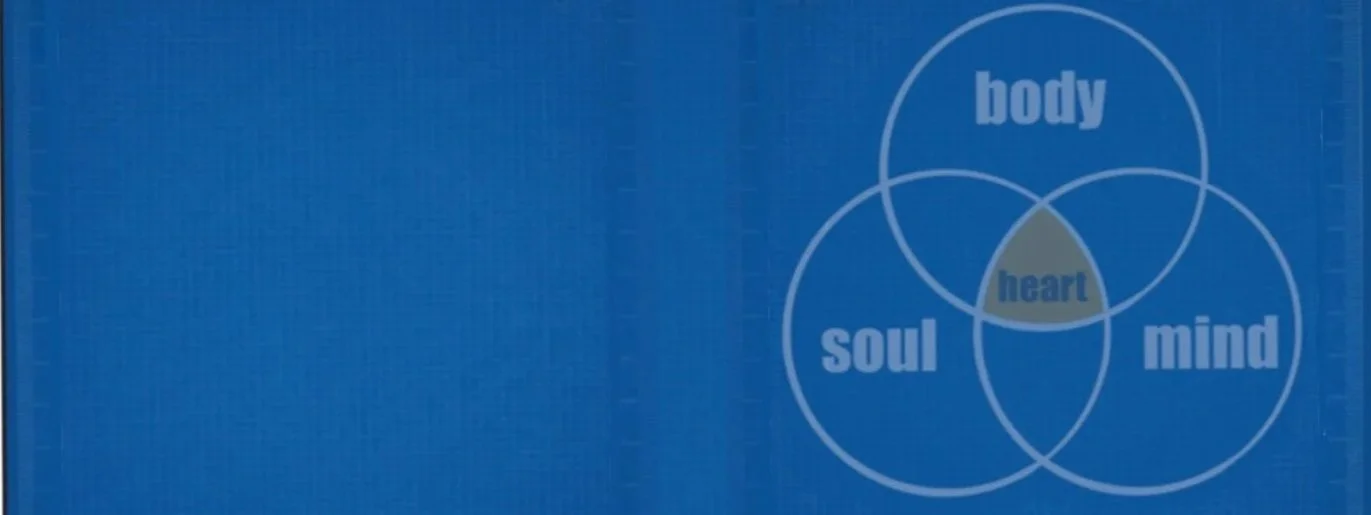
Pain’s Athletic Purpose follows a 7-step process.
Part 1
Step 1: Muscle Use
Step 2: Peripheral Nervous System
Step 3: Central Nervous System
Step 4: Emotional Brain - Thalamus
Step 1: Muscle Use
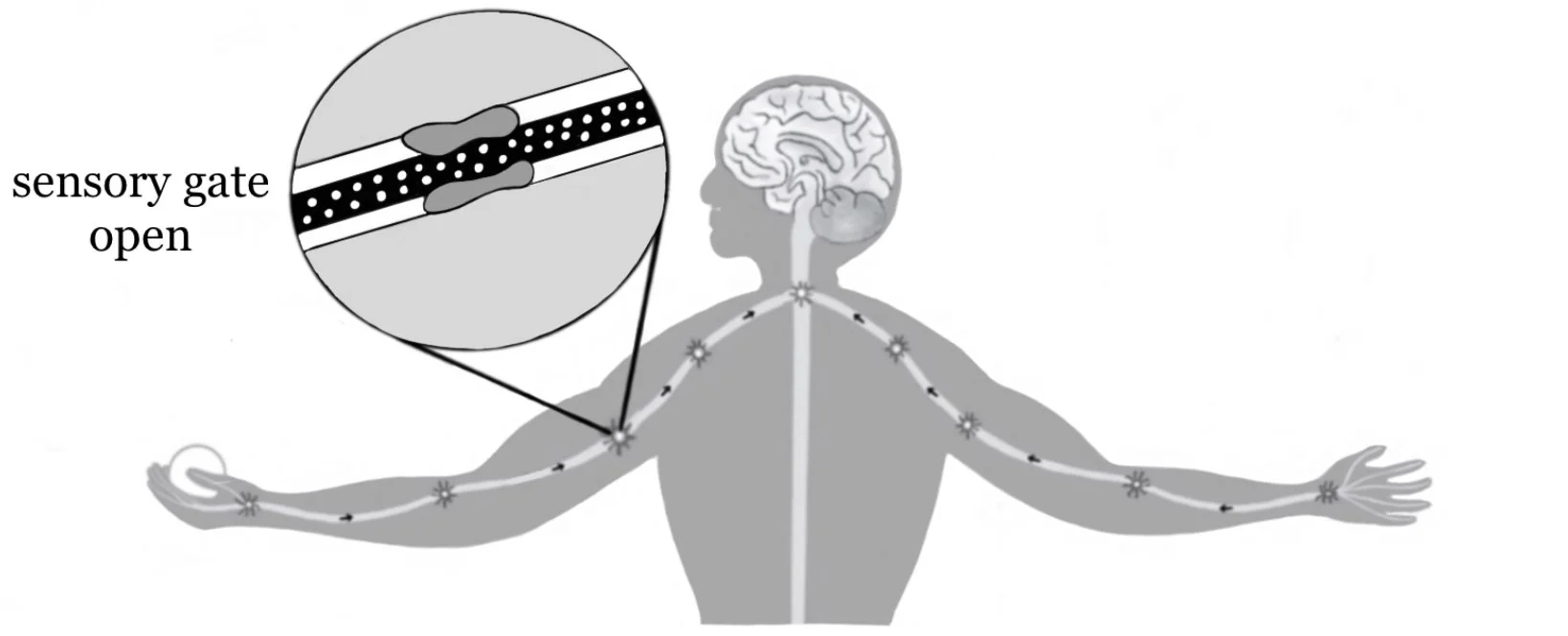
When you’re at your best, this step is carefree, with easy use of sensory information. (Before pain shows up.)
Step 2: Muscle Use / Peripheral Nervous System
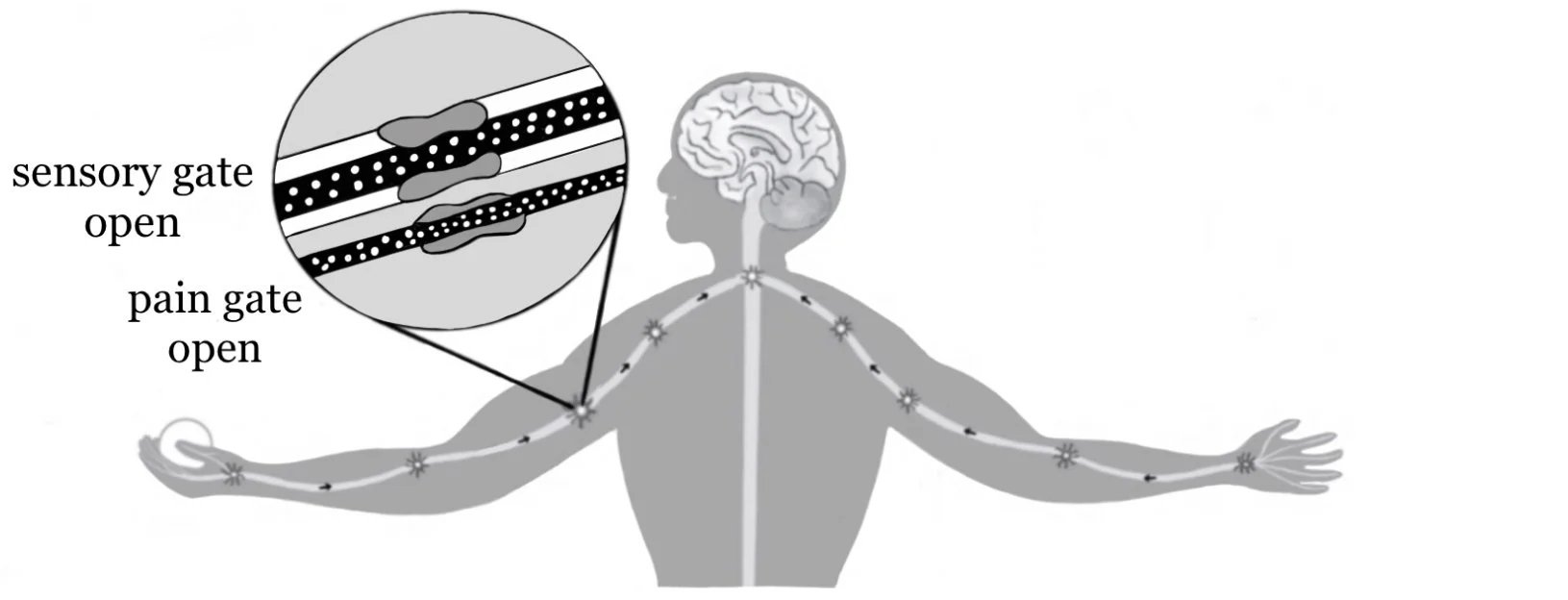
Moving from muscle use to the peripheral nervous system, the dull athletic pain begins as a mild response to thermal, mechanical, or chemical changes, in the form of…
-Hypoxia pain: fatigue caused by an imbalance of oxygen and carbon dioxide. The lack of oxygen leads to an accumulation of hydrogen ions, producing a chemical “lactic acid” burning sensation as you approach a lactate threshold.
-Hypoglycemia pain: fatigue and discomfort that occur when muscles run out of energy. This pain feels like a "heaviness” or a "mud-like" sensation. This “hitting the wall" pain happens due to “user error” in managing energy use and energy intake.
-Hypo-osmolarity pain: excessive heat buildup or electrolyte imbalance caused by insufficient fluid and mineral intake. This pain manifests as dizziness, nausea, cramping, or overall fatigue.
-Hyperarousal state: as a “user error,” tension pain results from an increased "rate of living” caused by too much harmful adrenaline and cortisol. Stress from tension raises anxiety, heart rate, and gut discomfort. (Nervousness and anxiety will drain energy away from your performance.)
As muscle use continues, pain becomes inevitable.
Step 3: Central Nervous System
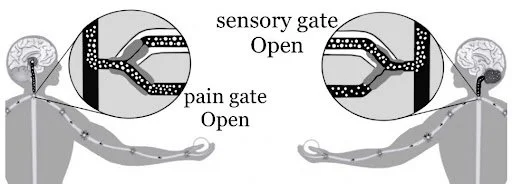
Muscle use results in one of two forms of priority pain (bad pain or good pain) that moves up the spine.
Reality of Pain
← Bad Pain Good Pain →
←Feedback Feedforward →
30% ← 40% ←50% ←60% 60% →70% → 80% → 90%
Less Human? More Human!
→ Good Pain… it costs less to become more human!
← Bad Pain… it costs more to become less human.
(Please read that again!)
There are no “superhumans.”
Despite the presence of pain, some athletes have discovered how to become more human for themselves.
Step 4: Emotional Brain - Thalamus
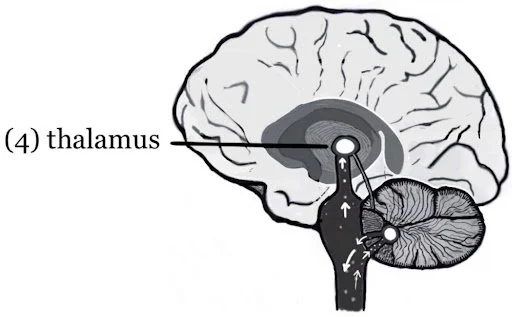
Your thalamus (“innermost chamber,” “mind’s eye,” “third eye,” or even the “seat of your soul”) plays a vital role in the birth of all emotions.
The emotional birth of weakness or strength.
Bad Pain (maladaptive)
This type of pain results from emotional distress, as pain works against you.
Good Pain (adaptive)
This adaptive and motivational pain can increase muscular excitability. Depending on your emotional strength, the release of ATP (muscle energy) increases as the presence grows for you and not against you.
Commonly known as the phenomenon of:
A second wind
(The sudden return of energy and strength.)
In the book, you will learn the emotional value of pain and how specific thalamus-related exercises
will channel its value into your Athletic Brain.
Without proper training, knowledge, and understanding of the thalamus… pain becomes an analytical thought.
Breathing in… I calm my mind and body.
Breathing out… I smile.
-Thich Nhat Hanh