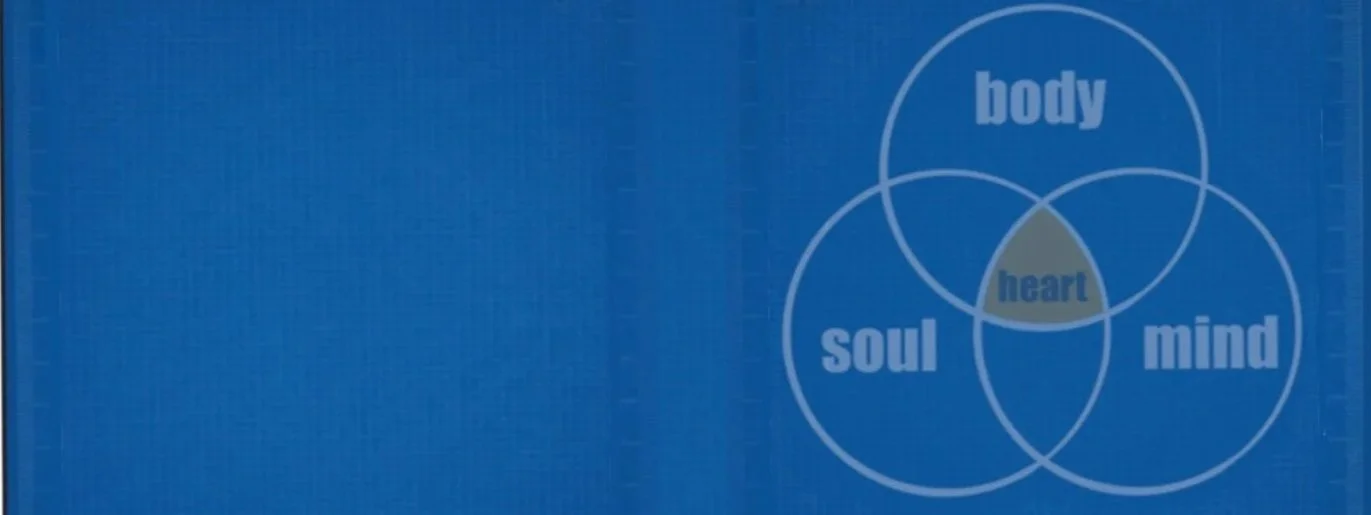
Nourishment is more than just Nutrition.
Nourishment /nur-iSH-ment/ noun: substance (and knowledge) for growth, satisfying hunger beyond fruits and vegetables.
Without becoming a 24-hour (highly obsessed) athlete, nourishment is all the things you do away from training.
Nourishing efforts include…
Taper
Sleep
Nutrition
Recovery
Nutrition / Nourishment Taper Time (4 pages in the book)
It is the time for full recovery, repair, rebuilding, and growth, moving towards peak performance at the end of all the hard training. Unfortunately, it is a time filled with anxiety and doubt-driven questions. An unfortunate common question is… “Why do I get sick or feel sick as I start the taper process?”
Open Window Theory
According to Dr. David Neiman’s Open Window Theory, extensive training (week to week, month to month) can overwork the anti-inflammatory immune system through repeated cycles of wear and tear. Without meeting the full reparative demands of the immune system, this hormonal imbalance (high cortisol, low testosterone, low HGH, and low thyroid hormones) will trigger an aggressive pro-inflammatory response during the first few days of taper.
Anti-inflammation vs. Pro-inflammation
(good) (not-so-good)
Anti-inflammatory (good athletic pain) is a partial immune response for day-to-day healing. This allows for short-term repair and recovery, with the daily release of satellite stem cells and specialized lipid-proteins that aid in the repair-prepare of damaged cells.
(Lipid-proteins are fat-based proteins that are essential to a healthy diet and aid recovery. Include fatty fish such as salmon and tuna, eggs, almonds, chia seeds, and dairy products such as whole milk, whole-milk yogurt, and cheese.)
Pro-inflammatory (bad pain) as excessive damage (beyond day-to-day recovery) triggers a more pronounced pro-inflammatory response that can lead to medical pain, injury, or short-term illness. Instead of the daily repair process, a hormonal response triggers the release of prostaglandins, leukotrienes, cytokines, and myokines.
Unfortunately, a pro-inflammatory response does attack (with the intent) to eliminate damaged cells. When tissue is damaged (beyond day-to-day repair), injured or dying cells release specific chemical signals. These signals call for the recruitment of highly aggressive immune cells, such as neutrophils and macrophages, which signal injury or illness.
To help prevent the pro-inflammatory response during taper time,
an athlete should incorporate more in-season recovery methods such as…
Massage Therapy
Cupping
Neuromuscular Electrical Stimulation
Gua Sha/Scrapping Therapy
Pin and Release
Massage Gun
Cold Plunge*
Hot Sauna**
Red Light Therapy
Hyperbaric Chamber
*Cold plunge immediately after extended cardio-based workouts.
*Cold plunge 4 to 6 hours after a heavy lifting training session.
**Wait until heart rate drops to a near-normal resting heart rate.
Nutrition / Nourishment for Sleep (5 pages in the book)
Your sleep process (and benefits) revolves around the 24-hour cycle of four key hormones:
1. Cortisol
2. Serotonin
3. Melatonin
4. Human Growth Hormone
1. Cortisol is the superhero hormone released in the morning that motivates you to get out of bed. It maintains its importance through three precisely timed release points, each lasting from sunrise to early afternoon, as analytical thought increases. (Your analytical brain reaches a mental alertness peak between 8:00 am and 12:pm.)
2. Serotonin starts with what you eat, what you do, and how you feel, known as a Serotonin Lunch. Eating a tryptophan-rich lunch boosts serotonin levels, helping you through the rest of the day's activities, including physical training.
In the afternoon (after a healthy Serotonin Lunch), serotonin helps align the brain's circadian signals with peripheral tissue clocks, optimizing core body temperature, increasing muscle metabolism, and activating motor coordination to prepare the body for peak physical strength.
Circadian and Physical Preparation
Temperature Regulation: Serotonin pathways help drive the late-afternoon rise in core body temperature, which warms up muscle fibers and reduces stiffness for better movement.
Muscle Clock Alignment: Signals tied to daytime neurotransmitter activity sync with the molecular clocks in skeletal muscles; peak muscle and mitochondrial efficiency occur between 2 p.m. and 7 p.m.
Alertness and Motor Control: Afternoon serotonergic activity sharpens central nervous system arousal, improving the athletic brain's ability to recruit motor units for strength and power.
FYI:
Analytical work (driven by cortisol) is best done in the morning when mental alertness is highest. Creative work (driven by serotonin) improves in the afternoon, when mental alertness gives way to emotional alertness as the brain makes creative connections.
3. Melatonin is made from serotonin at sunset.
Melatonin controls your master internal 24-hour clock.
Melatonin is the primary antioxidant that sets the process for all other antioxidants.
Slows the mind and body by reducing blood pressure, alertness, and body temperature to help you fall asleep.
Prepares for the release of Human Growth Hormone.
4. Human Growth Hormone is released in its greatest amounts (70-75%) during the first 3 hours of sleep, known as the HGH-sleep cycle.
Human growth hormone (HGH) helps the body by stimulating the release of satellite (stem) cells for muscle repair, growth, anabolic protein processing, and energy management.
Nutrition / Nourishment against Hunger (5 pages in the book)
Nutrition has only one rule:
real Food First!
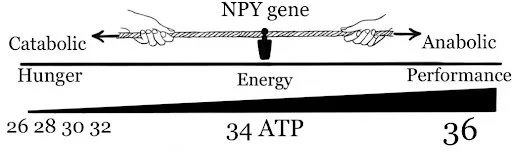
Hunger (catabolic survival) disrupts every part of an athlete's journey. Prolonged hunger, whether during the day or at night, will slow the growth and regeneration of muscle cells. (Save your intermittent fasting experiments for your non-athletic days.)
Hunger = Catabolic Survival = ATP Energy Loss
Do you know the five types of hunger?
-Calorie Hunger: Routine hunger between meals…
In accordance with predictable digestive cycles (known as breakfast, lunch, and dinner), the body releases “hunger hormones” 3 to 4 hours after your last meal in anticipation of the next digestive cycle.
-Dehydration Hunger: You feel hungry, but nothing sounds good to eat as you stare at all the food in the refrigerator.
You’re less hungry but more thirsty. This misleading form of thirst reduces your ability to produce, process, and use muscle glycogen. Dehydration-related hunger may also signal low electrolyte levels, such as sodium, potassium, and magnesium. Eat “Real Food First,” such as water-rich foods like grapes (82%), celery (95%), cucumbers (96%), watermelon (96%), peaches (89%), or apples (86%).
-Protein Hunger: Body hunger radiates deep into your bones and muscles…
When protein intake does not meet athletic demands, amino acid sensors in the brain and gut trigger a deep hunger sensation that shifts dietary preference toward protein-rich foods. The irisin hormone also signals the need for new and improved body parts, such as bone marrow, enzymatic reactions, and stem cells, which urgently require additional amino acids (protein-building blocks) to produce better blood, improve muscle cells, and increase the number of mitochondria and myonuclei. But the question remains…
Animal-based protien? vs. Plant-based protein?
(The answer is in your DNA. Do you or don’t you have the “vegetarian” genes?)
If you do have the “vegetarian” gene, a diet that consists mostly of plant-based protein is a viable option.
If you don’t have the “vegetarian” gene, an animal-based diet is a must.
Real food first! Protein powders (animal- or plant-based, made using industrial filtration, heat, and mechanical drying, with added flavors, sweeteners, and thickeners) are ultra-processed foods rather than real, whole foods.
-Carbohydrate/Calorie Hunger: Body hunger persists when you can’t seem to eat enough…
As an athlete, you will experience endless eating moments as new and improved athletic body parts move through their anabolic building phase. As energy requirements shift from maintenance to higher metabolic demands, increasing the need for carbohydrate/glycogen-related foods is essential to allow higher levels of activity to break you free from previous plateaus.
-Sugar Hunger: Body hunger that creates an overwhelming craving/weakness for sweets and sugar…
Sugar is a weakness!
Sugar creates catabolic stress and hormonal imbalance, which are also caused by emotional issues that trigger insulin responses, leading to increased sugar cravings due to bad brain chemistry, low energy, and bad habits. (You can dial down this type of hunger with real food and protein!)
Ice Cream vs. “Frozen Dairy Dessert”
(real ice cream is not a weakness)
Real food first: ice cream provides satiety because it contains full-fat dairy (with vitamins A and D) and protein (with B12) that slow digestion, trigger fullness hormones in your gut, and signal your brain that you ate real food. Real ice cream includes a very short list of ingredients… cream, milk, egg, egg yolk, real sugar. Fake ice cream (“frozen dairy dessert”) uses fillers to mimic the “feel and taste” of ice cream, such as cheese solids, skim milk, corn syrup, high-fructose corn syrup, guar gum, tara gum, mono- and diglycerides.
Warning: As you continue to chase every inch or every 1/100th of a second… never ever eat “frozen dairy dessert,”
as it contains fake food and fake sugar that trigger more harm than good.
Fake Food
More Harm than Good
Bad Brain Chemistry and Hormones
Dopamine release: Eating sugar activates the brain's reward centers and releases feel-good chemicals, but it also triggers a quick and severe emotional crash.
Stress seeks comfort: Hard times or low moods lower serotonin levels, prompting the brain to seek sugary foods to temporarily make you “feel better” with the wrong comfort.
Hormone shifts: Natural changes during a menstrual cycle, muscle soreness, and extended hunger can trigger strong urges for a chocolate fix.
Real chocolate vs. “Chocolate-flavored”
For both male and female athletes, real chocolate (cocoa butter) provides boosts in serotonin, dopamine, endorphins, oxytocin, adrenaline, and anandamide. (These are the same six flow hormones needed to be “in the zone.”) Real chocolate also provides additional magnesium, which helps alleviate muscle soreness and cramping.
Physical Triggers for Sugar
Quick energy: When you skip meals or eat unbalanced food, your blood sugar drops, and your body seeks fast fuel, most likely in the form of your greatest weakness. (Your body knows and takes advantage of your sugar weakness.)
Not enough sleep: Tiredness messes with hunger hormones, which can boost your appetite for junk food and sweets.
Dehydration: The body can mistake thirst for hunger, increasing the desire for quick, easy food.
Bad Habits & Bad Environment
Daily routines: Eating dessert after dinner or grabbing a sweet coffee every morning trains your brain to expect sugar at those times.
Routine Boredom: Sugar provides a dopamine hit that temporarily masks boredom. (Go for a walk!)
Memories and cues: Celebrations, stress, or sadness are often paired with sweet treats, creating a mental and emotional link.
Side Note: For athletic purposes (as you chase hundredths of a second), ALL substitute sugars (aspartame, sucralose, saccharin, acesulfame potassium, xylitol, sorbitol, erythritol, maltitol, isomalt, stevia, and monk fruit) will cause some type of gut microbiome disruption in the stomach, small intestine, or colon. While pure monk fruit does not disrupt gut function, most monk fruit products are a stock blend of alcohol sugar, inulin, and chicory root fiber. Because monk fruit powder is extremely potent (1/64th of a teaspoon replaces one teaspoon of sugar), pure monk fruit is diluted in water and sold as liquid drops. Bottom line… for athletic purposes, all sugar substitutes are bad for you.
Gut Bacteria
You are their home.
You get sick. They get sick.
They get sick. You get sick.
You perform well. They perform better.
They perform well. You perform better.
You live well. They live better.
They live well. You live better.
You take care of them, and they take care of you.
Here is a short list of hunger never, evers…
Never, ever go to bed hungry!
Never, ever go to practice hungry!
Never, ever delay post-training nourishment!
(Extended hunger steals your athletic gains.)
Nourishment for Training/Recovery (5 pages in the book)
Never, ever go to practice hungry!
Never, ever delay post-training nourishment!
Pre-training, During-training (longer than two hours), and Post-training are the most important meals of the day!
And its not that complicated… PB&J sandwich is the most common “staple snack” across all sports and all levels.
MLB legend Derek Jeter, a five-time World Series Champion, ate a PB&J sandwich an hour before each game: 2,747 games, 2,747 PB&Js. The list of athletes who also prefer a PB&J includes Michael Phelps, Tiger Woods, Michael Jordan, Tom Brady, Katie Ledecky, Kobe Bryant, and many others. According to surveys from the 2023-2024 season, the NFL reported that more than 80,000 PB&Js were consumed before, during, and after games.
A PB&J is a nutritious snack, meal, or pre-workout option that is portable and easy to digest. Most importantly, its nutritional value (fiber, protein, fat, minerals, vitamins) easily satisfies your NPY hunger hormone, keeping you moving forward in an anabolic state. (A touch of sweetness from the jelly provides a dopamine reward.)
Bonus: Recently, the University of Michigan School of Public Health discovered that a healthy PB&J can slow your aging process by lowering your heart rate. (Potassium and other high-electrolyte foods help lower your heart rate and improve metabolic rates.)
Anabolic recovery begins AFTER you eat… and the sooner, the better!
As you move through every 24-hour cycle,
nourishment takes on many forms based on…
What you do… How you feel…
How you think… What you eat…
As it all starts with Heart!
Kokoro
心