
“I feel strong when I feel strong.”
2,500 years ago, Plato advised, “Your first win is to conquer yourself.”
Over the final three days of the book, you will be fully immersed in how and why muscle cells work and interact with every part of your body. The information will shift from nature knowledge to nurture knowledge as you take your time finishing the book.
Better Knowledge
Day 28: Muscle Cell
AMPK enzymes
Satellite Cells
Mitochondria
ATP Energy
Myonuclei
Better Effort
Day 29: Muscle Use
‘Athletic’-genetics
‘Energy’-genetics
Muscle fibers
Energy systems
Training Zones
Better Results
Day 30: Nourishment
For… Taper
Sleep
Hunger
Recovery
Training
Day 28: Muscle Cell
Muscle cells go through a 5-step developmental and growth process…
AMPK enzymes → Satellite Cells → Mitochondria → ATP Energy→ Myonuclei
AMPK & AMPD enzymes
The metabolic enzymes sense and regulate cellular energy use and requirements during muscle contraction. AMPK acts as a master fuel gauge to boost energy production, while AMPD helps mitigate metabolic products to keep the energy-recycling process running smoothly during training.
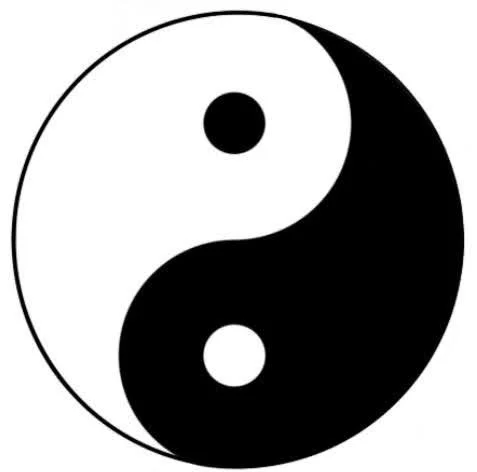
Anabolic ⇆ Catabolic
Catabolic ⇆ Anabolic
(Anabolic) More power requires more energy. (Catabolic)
(Catabolic ) Using more energy requires more muscle power. (Anabolic)
Between training and recovery, there is a constant push and pull (a yin-and-yang relationship) between catabolic training and anabolic recovery for the constant development and growth of your athletic process, which moves us to the next step.
Satellite Cells
During the anabolic process, satellite cells (located on the outside of every muscle fiber) are muscle stem cells that help with athletic performance by repairing tissue damage, improving recovery, and enabling muscle growth, which triggers the creation of more mitochondria.
How They Help Athletic Performance
Muscle Repair (Recovery): Hard training damages muscle fibers. Activated satellite cells rush to the injured areas, fuse with your damaged muscle fibers, and patch them up so you can heal faster.
Long-Term Growth (Hypertrophy): When you lift weights over time, your muscle fibers get bigger. To stay large and strong, a single muscle cell needs extra control centers (nuclei). Satellite cells donate their own nuclei to your muscle fibers, allowing the muscles to grow larger and stronger.
Future Resilience: After repairing your muscles, some satellite cells go back to sleep, while others replenish the stem cell pool. This leaves your muscles better prepared to handle heavy training next time.
Mitochondria
As you may already know… mitochondria are the powerhouse factories that convert oxygen and sugars into cellular energy (ATP), which powers muscle contractions. And the more, the better. (While non-athletic individuals may have 2-6% mitochondrial content within their muscle cells, highly trained athletes can have up to 12-20% mitochondrial content.
How to Improve Function
High-Intensity Interval Training (HIIT): Triggers mitochondrial biogenesis (the creation of new mitochondria).
Endurance Workouts: Long, steady-state training expands the size and efficiency of existing mitochondrial networks.
ATP (more than just energy)
ATP is the main energy currency of cells, used to power mechanical work, active transport, and chemical reactions. As mentioned previously, oxygen and sugars are converted into ATP. As “I feel strong, when I feel strong” continues to advance, the body needs more oxygen and more sugars. The increased need for more energy also triggers a process known as cellular fusion. The activation of satellite cells donates their nuclei by fusing into the main muscle fiber, which permanently increases the nuclear pool to sustain a higher functional capacity (to become more human permanently). This cellular fusion creates more myonuclei.
The Activation and Fusion Process
Mechanical and Metabolic Signals: Stresses or heavy activity activate local stem cells (satellite cells) adjacent to the muscle fibers.
Cell Fusion: These activated satellite cells donate their nuclei by fusing into the main fiber, permanently increasing the nuclear pool to sustain higher functional capacity.
Yes, the creation of myonuclei increases the availability of genetic material by adding more nuclei, expanding DNA capacity, and supporting cell growth.
Muscle Growth and Nuclei
Extra nuclei: Muscle cells grow large and need more DNA to make proteins.
Satellite cells: These stem cells merge with muscle fibers to give them new nuclei.
More templates: Each new nucleus brings extra genetic instructions for building muscle tissue.
ATP (adenosine triphosphate) is the main energy currency of cells, used to power mechanical work, active transport, and chemical reactions. It releases energy when a phosphate group breaks off, turning into ADP.
Encyclopedia Britannica +1
No, an increased presence of ATP does not directly produce more red blood cells. Red blood cell production—known as erythropoiesis—is controlled primarily by the hormone erythropoietin (EPO), which is released by the kidneys in response to low oxygen levels (hypoxia), rather than by levels of adenosine triphosphate (ATP).
The Role of ATP in Blood and Cell Energy
Cellular Energy: ATP provides the basic chemical energy required for mature red blood cells to maintain their shape, flexibility, and ion balance.
Signaling Molecule: Extracellular ATP can act as a local signaling molecule (affecting blood vessel tone and interacting with purinergic receptors during stress or low oxygen), but it does not signal the bone marrow to manufacture new erythrocytes.
Development Requirement: While specific ATP-dependent enzymes (like chromatin remodelers) are utilized internally by developing stem cells during cell division and differentiation, surplus or elevated ATP is not the trigger that initiates production. [1]
If you are looking into how the body regulates blood counts or energy metabolism, let me know if you would like to explore how EPO stimulates red blood cell production or how oxygen levels control this process.
Myonuclei
For athletic advancement… this is where the rubber meets the road.
(“Where the rubber meets the road” means the exact point when the moment of truth actually works.)
Myonuclei are the multiple nuclei located inside mature muscle cells (fibers). Unlike most cells that have only one nucleus, skeletal muscle fibers contain hundreds or thousands of them.
When muscles become stronger from athletic training (both endurance and resistance training), stem cells merge to become new myonuclei within the muscle fibers. These added nuclei (myonuclei) are permanently responsible for the longevity of muscle memory. While muscle memory for how to ride a bike is stored inside your athletic brain, real muscle memory remembers the peak of your strengths. (If you take an extended break from training, your muscles will shrink. But once you start back up again, your true muscle memory will reactivate all your myonuclei to help you return to former strengths. (I feel strong when I feel strong… again!)
Human Evolution (never stops)
Yes, the creation of genetic material (as part of the evolutionary process), driven by whole-genome duplication and insertions, expands DNA capacity and supports human growth as you become more human.
Bigger Better Stronger
“Life involves utilizing energy, engaging in functional activity, responding to stimuli, and adapting to continual change, with the capacity for growth and evolution.”
-Life